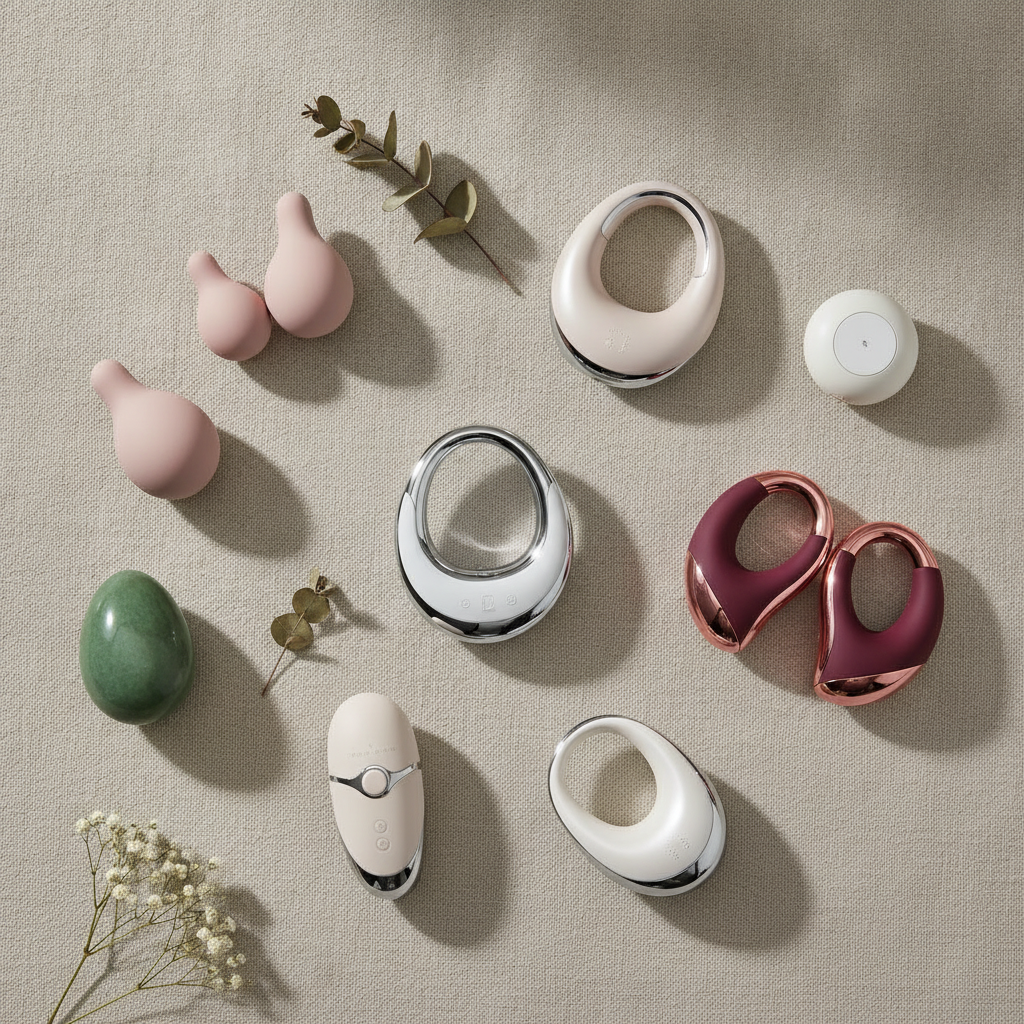

Let’s be real for a second: we spend a lot of time at the gym working on our glutes, our abs, and maybe those stubborn triceps. But there’s a group of muscles that’s arguably more important for our daily happiness, and it’s one we almost never talk about over brunch. I’m talking about the pelvic floor. It’s the "hammock" of muscles that holds everything together—literally.
In 2026, pelvic health has finally stepped out of the shadows of "hush-hush" medical issues and into the spotlight of mainstream wellness. Whether you’re looking to bounce back after childbirth, improve your intimate life, or just stop worrying about that "sneeze-leak" situation, the technology available today is incredible. We’ve moved far beyond simple weighted balls; we’re talking about AI-integrated biofeedback, medical-grade sensors, and even light therapy.
If you’re ready to give your internal fitness the attention it deserves, you’re in the right place. I’ve spent weeks diving into the latest tech and the tried-and-true classics to bring you the definitive guide to the best pelvic floor trainers of 2026.
Why Your Pelvic Floor is the Unsung Hero of 2026
Think of your pelvic floor as the foundation of a house. If the foundation is shaky, everything else—from your bladder control to your core stability and even your sexual satisfaction—starts to feel the strain. In our fast-paced, high-stress world, these muscles often carry tension or, conversely, lose their tone due to age, pregnancy, or high-impact sports.
The good news? These are muscles, and just like your biceps, they can be trained. The 2026 wellness revolution is all about proactive care. We’re no longer waiting for a problem to arise; we’re "pre-habbing" our bodies. A strong pelvic floor means better posture, more intense orgasms, and the freedom to jump on a trampoline without a second thought.
The Evolution of Kegel Training: From Stones to Smart Sensors
It’s wild to think that pelvic floor exercises used to involve just… squeezing and hoping for the best. For decades, women were told to "pretend you’re stopping the flow of urine," which, as we now know, can actually lead to bad habits. Then came the era of simple weights—basically "dumbbells for your lady bits."
Fast forward to 2026, and the landscape is unrecognizable. We now have devices that talk to our smartphones, gamify our workouts, and tell us exactly which muscles we’re engaging. This shift from "manual" to "smart" has changed the game because it solves the biggest problem with Kegels: knowing if you’re actually doing them right.
Manual Weights vs. High-Tech Biofeedback
Before we jump into the reviews, let's settle the debate. Do you need a $200 smart device, or will a $30 set of weights do?
Manual weights (like Laselle or Lelo Luna Beads) are fantastic for "passive" training. You pop them in, go about your day, and your muscles naturally contract to keep them in place. They’re simple, battery-free, and effective for maintenance.
Smart trainers, on the other hand, offer biofeedback. They use pressure sensors to measure the strength of your squeeze and send that data to an app. This is crucial for "active" training. If you’re pushing down instead of lifting up (a common mistake), a smart trainer will catch it immediately. In 2026, the AI coaching in these apps has become so sophisticated it’s like having a pelvic floor physical therapist in your pocket.
Top 10 Pelvic Floor Trainers: Our 2026 Deep Dive
1. The Elvie Trainer (The Gold Standard)
The Elvie Trainer remains the "iPhone" of the pelvic floor world. It’s sleek, small, and incredibly intuitive. What makes the 2026 version stand out is its refined sensor tech, which is more sensitive than ever to "micro-squeezes."
The app feels like a premium fitness tracker. You play short, five-minute games where you lift a gem on the screen by squeezing your muscles. It’s discreet, comes with an optional cover for a custom fit, and the carry case doubles as a charger. It’s the perfect all-rounder for someone who wants tech that "just works."
2. Perifit+ (The Gamer’s Choice)
If you find traditional exercises boring, the Perifit+ is your best friend. This device uses your pelvic floor as a video game controller. Want to fly a bird through a forest or navigate a submarine? You’ve got to squeeze and relax to do it.
The "Plus" model released recently is significantly smaller than the original, making it more comfortable for a wider range of body types. It’s particularly good at targeting different layers of the pelvic floor, and the community challenges in the app keep you coming back every day.
3. Intimina Laselle (The Versatile Classic)
Not everyone wants an app. The Laselle Weighted Exercisers are for the person who wants to keep things analog and effective. They come in three different weights (28g, 38g, and 48g), and you can even link them together as you get stronger.
They’re made of 100% medical-grade silicone and feature a small internal weight that moves when you move, providing a subtle vibration that reminds your muscles to engage. It’s the "old school" way of training that still delivers results.
4. Emy by Fizimed (The Medical Powerhouse)
Emy is a medical-grade device developed in Europe that has gained massive traction in 2026. What sets it apart is its use of "Biofeedback" based on clinical protocols. The device is slightly larger than the Elvie, which some users find provides better "feedback" against the vaginal walls.
The app is less "gamey" and more "medical," offering long-term programs designed by physiotherapists. If you’re dealing with significant postpartum recovery or clinical-level incontinence, Emy is often the one professionals recommend.
5. Joylux vFit Gold (The Multi-Tasker)
The vFit Gold is in a category of its own. It doesn’t just rely on exercises; it uses a combination of red light (LED), gentle heat, and sonic vibration.
Why Light Therapy Matters
In 2026, we’ve seen a surge in "intimate wellness" tech that uses photobiomodulation (red light therapy). The vFit Gold uses this to encourage blood flow and tissue health. It’s less about "lifting weights" and more about overall vaginal rejuvenation. It’s a great choice for women going through menopause who want to address dryness and tissue thinning alongside muscle tone.
6. Lelo Luna Beads (The Luxury Pick)
Lelo is the brand you go to when you want your wellness tools to look like jewelry. The Luna Beads are a modular system that allows you to swap out weights as you progress. The silicone is buttery soft, and the aesthetic is undeniably high-end. They’re simple, effective, and feel a lot more "self-care" than "medical device."
7. Bloom (The Personalized Program)
Bloom isn't just a device; it’s a comprehensive program. When you buy the Bloom Pod, you’re also getting access to a clinical-grade app that tailors your workouts based on an initial assessment. In 2026, their AI "Pelvic Coach" provides real-time adjustments. If the sensors detect you’re getting tired, the app automatically scales back the intensity of the session to prevent over-fatigue.
8. Kegel8 V For Menopause (The Hormone Hero)
Menopause changes the pelvic floor landscape significantly. The Kegel8 V is specifically designed with these hormonal shifts in mind. It uses neuromuscular electrical stimulation (NMES)—which sounds scary but is actually just a tiny electrical pulse that "wakes up" weak muscles. It’s perfect for those who have very little muscle control and need a "jumpstart" to get their pelvic floor moving again.
9. Innovo (The "Lazy" Girl's Secret)
Okay, technically you don’t "wear" this inside you. Innovo is a pair of high-tech shorts that you slip on for 30 minutes a day. They use external sensors to send signals to your pelvic floor muscles, causing them to contract perfectly every time.
In 2026, the shorts have become thinner and more breathable. If the idea of internal devices isn't for you, or if you simply want to strengthen your floor while watching Netflix, Innovo is a literal lifesaver. It’s the "hands-free" way to get 180 perfect Kegels in a single session.
10. K-Fit (The Biofeedback Budget King)
If you want the benefits of a smart trainer without the triple-digit price tag, the K-Fit is a solid contender. It’s a bit more "no-frills" than the Elvie or Perifit, but it provides accurate pressure readings and a reliable app. It’s the "workhorse" of the group—reliable, sturdy, and gets the job done without the fancy animations.
How to Choose the Right Trainer for Your Body
Choosing a pelvic floor trainer is a bit like choosing a pair of running shoes—it’s personal. Here are three things to consider:
- Your Goals: Are you trying to stop leaks, or are you looking to enhance your sex life? If it’s the former, look for medical-grade biofeedback (like Emy or Innovo). If it’s the latter, smart trainers with fun games (like Perifit+) can make the process more enjoyable.
- Your Lifestyle: Do you have five minutes of privacy in the morning, or do you need something you can wear while doing chores? Manual weights are better for multitasking; smart devices require your full attention for a few minutes.
- Your Comfort Level: If you’re sensitive to materials, ensure you’re choosing 100% medical-grade, non-porous silicone. If internal devices are uncomfortable, the Innovo shorts are your best bet.
Common Mistakes to Avoid During Your Workout
Even with the best tech in 2026, you can still get it wrong. The most common mistake? Holding your breath. When you hold your breath, you create downward pressure in your abdomen, which actually pushes down on your pelvic floor—the exact opposite of what we want.
Another big one is overtraining. Your pelvic floor is a small muscle group. You wouldn't do a three-hour bicep workout, so don't spend an hour doing Kegels. Stick to the app’s recommendations—usually 5 to 10 minutes a day is plenty.
The 2026 Pelvic Health Revolution: What’s Next?
We are living in an era where "taboo" is a dying word. The future of pelvic health is looking even brighter, with talks of wearable patches that monitor pelvic health 24/7 and even better integration with general fitness apps like Apple Health and Google Fit.
By investing in a pelvic floor trainer today, you’re not just buying a gadget; you’re investing in your long-term mobility, confidence, and pleasure. It’s the ultimate act of self-care that pays dividends for decades.
Conclusion
The "best" pelvic floor trainer is the one you actually use. Whether you opt for the high-tech gamification of the Perifit+, the clinical precision of Emy, or the effortless convenience of Innovo shorts, the key is consistency. In 2026, we have no excuse to ignore our internal health. These devices make it easier, faster, and—dare I say—more fun than ever before. So, pick your partner in pelvic fitness and start lifting! Your future self will thank you.
***
FAQs
1. How long does it take to see results with a pelvic floor trainer? Most women notice a difference in bladder control and muscle tone within 4 to 12 weeks of consistent use. Like any muscle, it takes time to build strength and coordination, so don't give up after the first week!
2. Can I use these devices while pregnant? Manual weights and some smart trainers are great during pregnancy, but you should always consult your OB-GYN or a pelvic floor PT first. Devices like the Innovo (which use electrical stimulation) are generally not recommended during pregnancy.
3. Is it possible for my pelvic floor to be "too tight"? Yes! This is called a hypertonic pelvic floor. If you experience pain during intercourse or pelvic exams, you might need to focus on relaxing the muscles rather than strengthening them. In this case, a device with biofeedback can help you learn how to fully release the tension.
4. Do I need to use lubricant with internal trainers? Almost always, yes. A water-based lubricant makes insertion much more comfortable and protects the silicone of your device. Avoid silicone-based lubes as they can degrade the material of your trainer.
5. Are smart trainers worth the extra money over manual weights? If you aren't sure if you're doing Kegels correctly, yes. The biofeedback ensures you aren't accidentally pushing down (which can worsen prolapse) and keeps you motivated through gamification and progress tracking.